Breeding
How to Breed Paladius in Palworld

No pair of two different species produces Paladius. The game’s combo table carries only the row Paladius + Paladius for it, and a self-pair row is not a recipe: same species is resolved before the table is consulted, so the row exists purely to keep Paladius out of the rank formula.
To get one you have to catch it: the dataset records 2 spawn points for it — at level 60, 1 of them alpha point, in the palpagos spawn layer. Once you own a male and a female, Paladius + Paladius breeds true.
Among the 24 species with no cross-species route at all, Paladius has the 11th-highest breeding rank (180), the 6th-highest rarity (20) and the 13th-most recorded spawn points (2, against 0 to 120 across the class). The whole class, side by side →
- Rarity
- 20
- Egg size tier
- rarity band 8 and above · egg size 2
- Hatch divisor
- 1 · the slowest band, and the baseline the others are measured against
- Gender ratio
- 50% male / 50% female
- Breeding rank
- 180
- Route
- Can only be bred from itself
What you need before breeding Paladius
- Two Pals of opposite gender in a Breeding Farm.
- A cake in the farm’s feed box. The 4 cakes in the game data yield 1 egg per cake (Mushroom Cake, Extravagant Vegetable Cake and Special Cake), and 2 eggs per cake (Vegetable Cake). Every one of the 4 carries
CombiRankBonus= 0, so which cake you use never changes which species the egg becomes. - An Egg Incubator for the egg the pair produces.
Passive skills carry over from the parents in one of 4 amounts — Combi_PassiveInheritNum stores 1, 2, 3, 4. The counts are serialized; no weighting over them is, in any asset we extracted, so we publish no per-passive probability.
What Paladius breeds into
Paladius can produce 71 different species when paired across the roster. One row per offspring; the partner count is how many different partners give that result.


















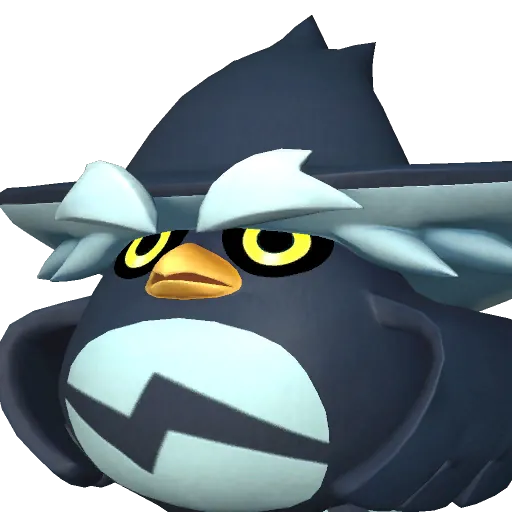


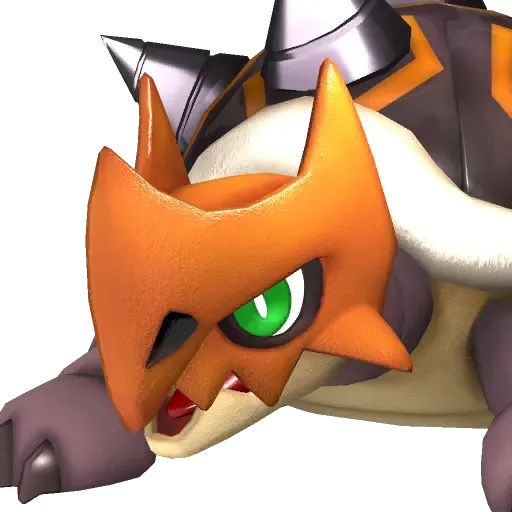























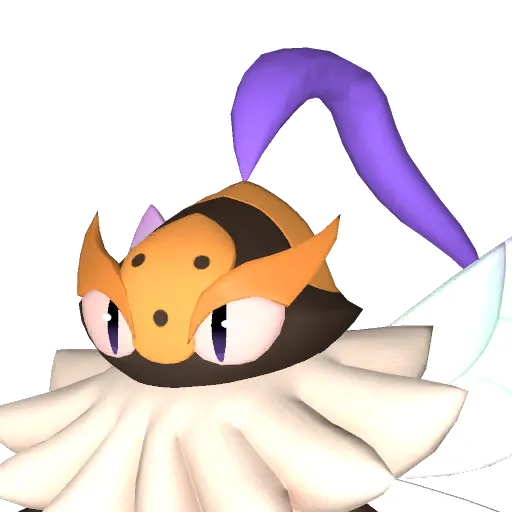




































































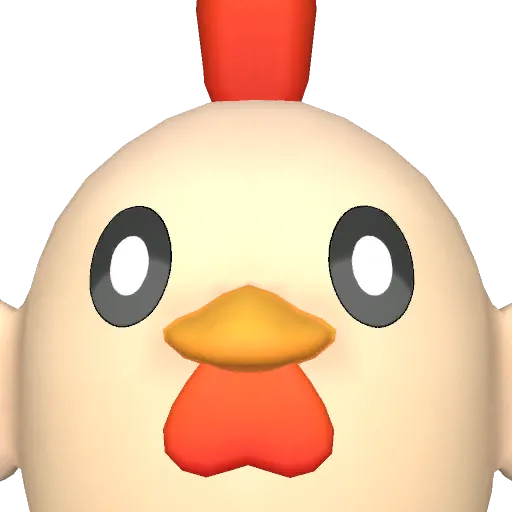











"Cheapest partner" is the lowest-rarity partner with a recorded wild spawn, or the lowest-rarity partner overall when none has one. "Lowest partner rarity" is the smallest rarity among the partners that give that result when paired with Paladius — it is a fact about this pairing list, so it differs from page to page even where the offspring is the same.
Where the rank formula puts Paladius
Paladius is excluded from the rank pool, so the formula can never return it. The pool is 184 species of 289.
- Neptilius — rank 160 · not in the pool — itself only
- Jormuntide Ignis — rank 170 · not in the pool — unique combo only
- Necromus — rank 190 · not in the pool — itself only
- Tetroise Primo — rank 200 · not in the pool — unique combo only
Where to catch Paladius
The dataset records 2 spawn points for Paladius.
Every Paladius spawn point with coordinates →
No pairing of two different species produces Paladius, so the pair in the farm is Paladius + Paladius. Wild stock is the documented route in: the 2 spawn points above are where a first one can come from, and you need one of each gender.
Frequently asked questions
Can you breed Paladius in Palworld?
Only from itself. No pairing of two different species produces Paladius, so you need a male and a female Paladius before you can breed one.
What two Pals make Paladius in Palworld?
Only Paladius + Paladius. No pair of two different species produces it.
What does Paladius breed into in Palworld?
Paired across the whole roster, Paladius can produce 71 different species — Aegidron, Anubis, Astegon among them. The full list is in the table above.
Why can't Paladius be bred from two other Pals?
Because the combo table carries only the row Paladius + Paladius for it. That row is not a recipe — same species is resolved before the table is read — so its only effect is to remove Paladius from the rank formula’s candidate pool.
What egg does Paladius hatch from?
Paladius is rarity 20, which falls in the 8 and above egg band: egg size 2, hatch divisor 1. The game stores a divisor per rarity band, not a hatch time per species, so we do not publish minutes-per-Pal.
Related breeding pages
Neighbours by breeding rank, and this pair's parents
Other Neutral breeding targets